Buy used Class 11 Books online in India
Buy Second Hand Books, Used Books Online In India
Tr jain microeconomics For Class 11
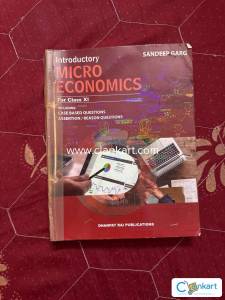
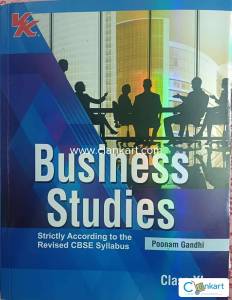
The CBSE board has recently shown a bent towards analysis and interpretation based questions under the label of ‘competency- based questions’. This book is prepared according to revised syllabus and new paper pattern. ‘ The Same but Different’: Revised and restructured on positive feedback, the Statistics for Economics Textbook is all geared up to provide its readers step by step comprehension of the subject matter. Novelties of the text include: 1. NEW TYPOLOGY OF QUESTIONS: (Image/Data interpretation, defend and refute type questions etc.) have been incorporated in each chapter. ‘BRAIN TEASER’ BLOCKS: Implication based questions related to current happenings around have been incorporated in each chapter. These help gauge the inferences the students are able to draw from the text and how easily they are able to relate economic theory to the ground level realities. 2. OTHERS: HOTS & Focus Zones DAV Board Question Paper (Solved) Sample Paper By “VK Global Study Group”[A specimen paper woven along the same structure and blueprint as suggested in the CBSE released Sample Question Paper-2023.] THESE CHANGES ARE EXPECTED TO ENHANCE COMPREHENSION AND UNDERSTANDING OF THE READERS.
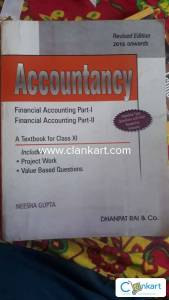
TS GREWAL DOUBLE ENTRY BOOK KEEPING CLASS 11
The book has been designed topic and subtopic-wise, keeping the students’ needs in mind. The current edition has certain unique features: Each chapter starts with a To Do list. It gives the central idea of the chapter and the way it has been addressed. Each chapter is divided into several sections corresponding to different components of the syllabus. Each chapter is splashed with HOTS. This is to promote clarity of the basics. Focus Zones in each chapter present a crux of the concepts. Blocks in each chapter include matter of special significance. Power Points and Revision Window offer a quick glance of the subject matter. ‘Exercise’ is tuned to the pattern of examination. Answers to important questions focus on the technique of writing. The exercise includes: objective type questions (remembering & understanding based questions), divided into five sections: (a) multiple choice questions, (b) fill in the blanks, (c) true or false, (d) matching the correct statements, (e) ‘very short answer’ objective type questions reason-based questions HOTS & applications analysis & evaluation CBSE questions (with answers or reference to the text for answers) NCERT questions (with hints to answers) miscellaneous and add-on questions (with hints or reference to the text for answers) Dos and Don’ts (at the end of each chapter) should serve as a safeguard against misinterpretation of the concepts. Ability Zone is a uniquely designed section at the end of the chapter. This raises the difficulty level, of course, but should serve as a useful material for the outstanding learners. Solved & Unsolved numericals are given to boost a grip on the subject.