Clankart Logo

Buy used Class 10 Books online in India

Buy Second Hand Books, Used Books Online In India
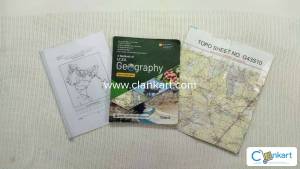
ICSE concise physics for class 10

ICSE concise physics for class 10

₹200

1. "NCERT Workbook Biology for Class 11th" is a unique resource for concepts of NCERT 2. This Practice Book is divided into 16 Chapters 3. It helps to build conceptual knowledge 4. Different types of questions are provided for thorough practice Conquering NEET requires a firm grip over NCERT concepts. More than 90% of questions asked in NEET 2019 & 2020 were based on concepts of NCERT. "NCERT Workbook Biology for Class 11th" is a unique resource to grip on the concepts of NCERT. This innovative book has 22 Chapters of biology that are written and developed keeping in mind the concepts, pattern and format of the paper. The specialty of this book is that it makes you apply conceptual knowledge in different types of questions. The concept coverage equals exactly with the required level of NEET. This matchless fun filled practice book will help NEET aspirant in gripping NCERT concepts to their maximum. TOC The Living World, Biology Classification, Plant Kingdom, Animal Kingdom, Morphology of Flowering Plants, Morphology of Flowering Plants, Anatomy of Flowering Plants, Structural Organisation in Animals, Cell: The Unit of Life, Biomolecules, Cell Cycle and Cell Division, Transport in Plants, Mineral Nutrition, Photosynthesis in Higher Plants, Respiration in Plants, Plant Growth and Development, Digestion and Absorption, Breathing and Respiration, Body Fluids and Circulation, Excretory Products and their Elimination, Locomotion and Movements, Neural Control and Coordination, Chemical Coordination and Integration

1 year ago
ICSE Concise Mathematics for class 10

ICSE Concise Mathematics for class 10

₹350

2021 Reprint of the 1925 Edition. Facsimile of the original edition and not reproduced with Optical Recognition Software. The novel tells the story of Porgy, a crippled street beggar living in the black tenements of Charleston, South Carolina, in the 1920s. The character was based on Charlestonian Samuel Smalls. In some of the novel's passages, black characters speak in Gullah, a creole language that had developed among enslaved African Americans during the slavery years on the Sea Islands. The novel was adapted for a 1927 play of the same name by Heyward and his wife, playwright Dorothy Heyward. Even before completing the play, Heyward was in discussions with composer George Gershwin for an operatic version of his novel. This was produced in 1935 as Porgy and Bess. George Gershwin read Porgy in 1926 and proposed to Heyward to collaborate on an operatic version. In 1934, Gershwin and Heyward began work on the project by visiting the author's native Charleston, South Carolina. In a 1935 New York Times article, Gershwin explained his motivation for calling Porgy and Bess a folk opera: "Porgy and Bess is a folk tale. Its people naturally would sing folk music. When I first began work on the music, I decided against the use of original folk material because I wanted the music to be all of one piece. Therefore, I wrote my own spirituals and folksongs. But they are still folk music-and therefore, being in operatic form, Porgy and Bess becomes a folk opera."

1 year ago
Advertisement
Want to see your books here? Have Used Books?
Make some extra cash by selling your old books for actual money in your UPI/Bank account. Go on, it's quick and easy.
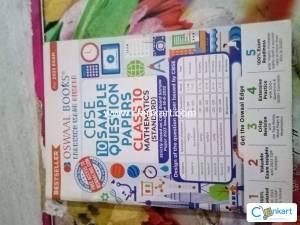
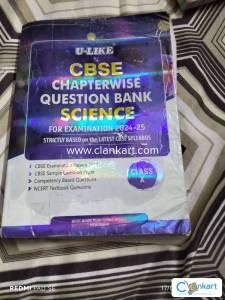
Together with Science Study Material for Class 10

Together with Science Study Material for Class 10

₹199 ₹499
60% off

The seventh edition of the Indian Pharmacopoeia (IP 2014) is published by the Indian Pharmacopoeia Commission (IPC) on behalf of the Government of India, Ministry of Health & Family Welfare. The Indian Pharmacopoeia (IP) is published in fulfilment of the requirements of the Drugs and Cosmetics Act, 1940 and Rules thereunder. It prescribes the standards for drugs produced and/or marketed in India and thus contributes in the control and assurance of the quality of the medicines. The standards of this pharmacopoeia are authoritative and legally enforceable. It intends to help in the licensing of manufacturing, inspection and distribution of medicines. IP is published in continuing pursuit of the mission of IPC to improve the health of the people through ensuring the quality, safety and efficacy of medicines. The Commission has been receiving significant inputs from regulatory, industrial houses, academic institutions, national laboratories, individual scientists and others. Publication of IP at regular and shorter intervals is one of the main mandates of the Commission. The seventh edition of Indian Pharmacopoeia is published in accordance with the principles and designed plan decided by the Scientific Body of the IPC. To establish transparency in setting standards for this edition the contents of new monographs, revised appendices and other informations have been publicized on the website of the IPC, besides following conventional approach of obtaining comments. The feedback and inputs were reviewed by the relevant Expert Committee to ensure the feasibility and practicability of the standards and methods revised. The principle of "openness, justice and fairness" is kept in mind during compiling and editing the contents of this edition. The Indian Pharmacopoeia 2014 is presented in four volumes. The scope of the Pharmacopoeia has been extended to include products of biotechnology, indigenous herbs and herbal products, veterinary vaccines

1 year ago
Advertisement
Advertisement
Advertisement
Advertisement