Buy used Philosophy, Religion & Spirituality books online in India
Buy Second Hand Books, Used Books Online In India
Japanese secret to long and Happy life
Bring meaning and joy to all your days with the internationally bestselling guide to ikigai.According to the Japanese, everyone has an ikigai – a reason for living. And according to the residents of the Japanese island of Okinawa – the world’s longest-living people – finding it is the key to a happier and longer life.Inspiring and soothing, this book will bring you closer to these centenarians’ secrets: how they leave urgency behind; keep doing what they love for as long as possible; nurture friendships; live in the moment; participate in their communities and throw themselves into their passions. And it provides practical tools to help you discover your own personal ikigai. Because who doesn’t want to find the joy in every day?
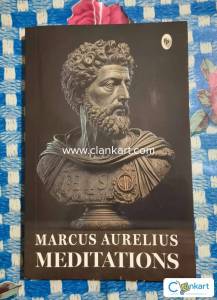
Meditations by Marcus Aurelius
Written in Greek, without any intention of publication, by the only Roman emperor who was also a philosopher, the Meditations of Marcus Aurelius (AD 121-180) offer a remarkable series of challenging spiritual reflections and exercises developed as the emperor struggled to understand himself and make sense of the universe. Ranging from doubt and despair to conviction and exaltation, they cover such diverse topics as the nature of moral virtue, human rationality, divine providence, and Marcus' own emotions. But while the Meditations were composed to provide personal consolation and encouragement, in developing his beliefs Marcus Aurelius also created one of the greatest of all works of philosophy: a timeless collection of extended meditations and short aphorisms that has been consulted and admired by statesmen, thinkers and readers through the centuries.
Terribly Tiny Tales
Big ideas and tiny talesTerribly Tiny Tales, the champion of contemporary micro-fiction, and Penguin come together on the same page to bring their readers a handpicked collection of stellar tales, each in under 140 characters. The book features curated old favourites and brand new tales as well as exclusive entries by Penguin's bestselling authors.The page-turner of the year, the volume is sure to occupy a unique space on your shelf, making for great introspection and even better conversation.
Think like a monk
Dopo aver conseguito la laurea in Economia alla Cass Business School di Londra, Jay Shetty si trova di fronte a un bivio: può intraprendere una sicura carriera nel mondo degli affari oppure seguire un sentiero meno battuto e investigare la profondità di una chiamata interiore. Decidendo per la seconda opzione, pochi mesi dopo è in India in un noto ashram dove decide di diventare un monaco. Lì impara che dare ascolto a quella parte più profonda di noi stessi che spesso ignoriamo è il primo passo per riuscir ad accettare chi intimamente siamo, e che solo così facendo possiamo rendere significative le nostre vite e toccare la felicità. Jay Shetty comprende anche che essere un monaco è fondamentalmente uno stato d'animo e così dopo tre anni dedicati alla ricerca interiore, in pieno accordo con il suo maestro, decide di lasciare il monastero per raccontare al mondo tutta la bellezza di quell'antica sapienza.E in Pensa come un monaco condivide con il lettore le sue intuizioni maturate a partire da quell'esperienza, sottolineando che non è necessario trasferirsi a vivere in un monastero perché la saggezza insegnata dai monaci è sempre accessibile, e una volta che la si sappia accendere è capace di offrire una risposta a molte delle domande che quotidianamente affollano la mente. La magnetica capacità comunicativa di Jay Shetty è formidabile nel rendere attualissima la saggezza e nel farci comprendere che è possibile raggiungere l'agognata armonia con il nostro sé più intimo e dimorare in quel fugace equilibro interiore che sembra altrimenti sempre sfuggirci. Ci sono tre fasi di apprendimento della mentalità del monaco.La prima è il lasciar andare, liberandoci dalle influenze esterne, dagli ostacoli interni e dalle paure che ci bloccano. Potete vederla come una pulizia che farà spazio per la crescita. La seconda fase è la crescita. Ci aiuterà a ripensare la nostra vita in modo da poter prendere le decisioni con intenzione, determinazione e sicurezza. La terza è il dare, volgendoci al mondo al di fuori di noi, espandendo